

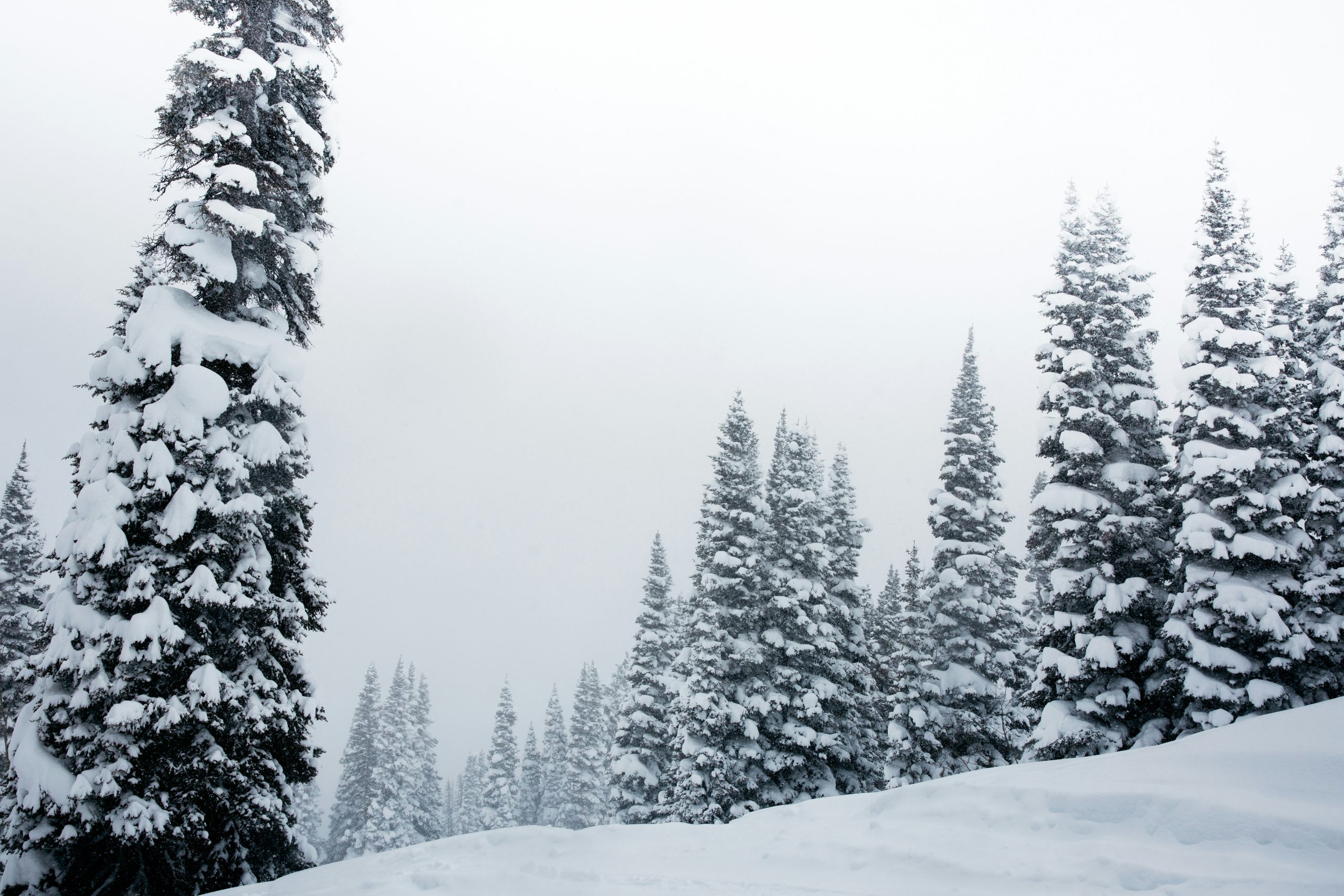
The Subalpine Fir (Abies lasiocarpa) is one of British Columbia’s highest-elevation trees, thriving in cold, rugged mountain environments. Its narrow, pointed shape helps it survive heavy snowfall, freezing temperatures, and strong winds.
This tree is a key species for stabilizing mountain slopes, protecting watersheds, and providing shelter for wildlife.
Identifying Subalpine Fir
- Needles: Soft, bluish-green, and spirally arranged on branches.
- Bark: Smooth and gray, with blisters containing fragrant resin.
- Growth Form: Tall and spire-like, making it distinct from broader firs.
Why Subalpine Fir is Important
- Prevents erosion in high-altitude environments.
- Provides habitat for high-mountain wildlife.
- Shields lower valleys from avalanches by forming dense stands.
Economic Uses of Subalpine Fir
Though not as commercially valuable as Douglas Fir, Subalpine Fir is used for:
- Pulp and paper, as its wood is lightweight and soft.
- Construction, particularly for framing and plywood.
- Christmas trees, due to its symmetrical shape and soft needles.
Wildlife in Subalpine Fir Forests
- Mountain caribou and deer rely on its shelter.
- Owls, woodpeckers, and chickadees nest in old trees.
- Bears and wolverines use its forests as safe pathways between valleys.
Fun Facts About Subalpine Fir
- It is BC’s highest-growing fir species, reaching the edge of treelines.
- Indigenous groups used Subalpine Fir resin for medicinal and spiritual purposes.
- Some trees live over 400 years, despite harsh conditions.
- Its resin has a strong, balsam-like fragrance, often used in incense.
Conclusion
The Subalpine Fir is a true survivor, thriving in some of BC’s coldest and most remote forests. Whether stabilizing slopes, protecting watersheds, or providing habitat, this tree plays an irreplaceable role in British Columbia’s mountain landscapes.