

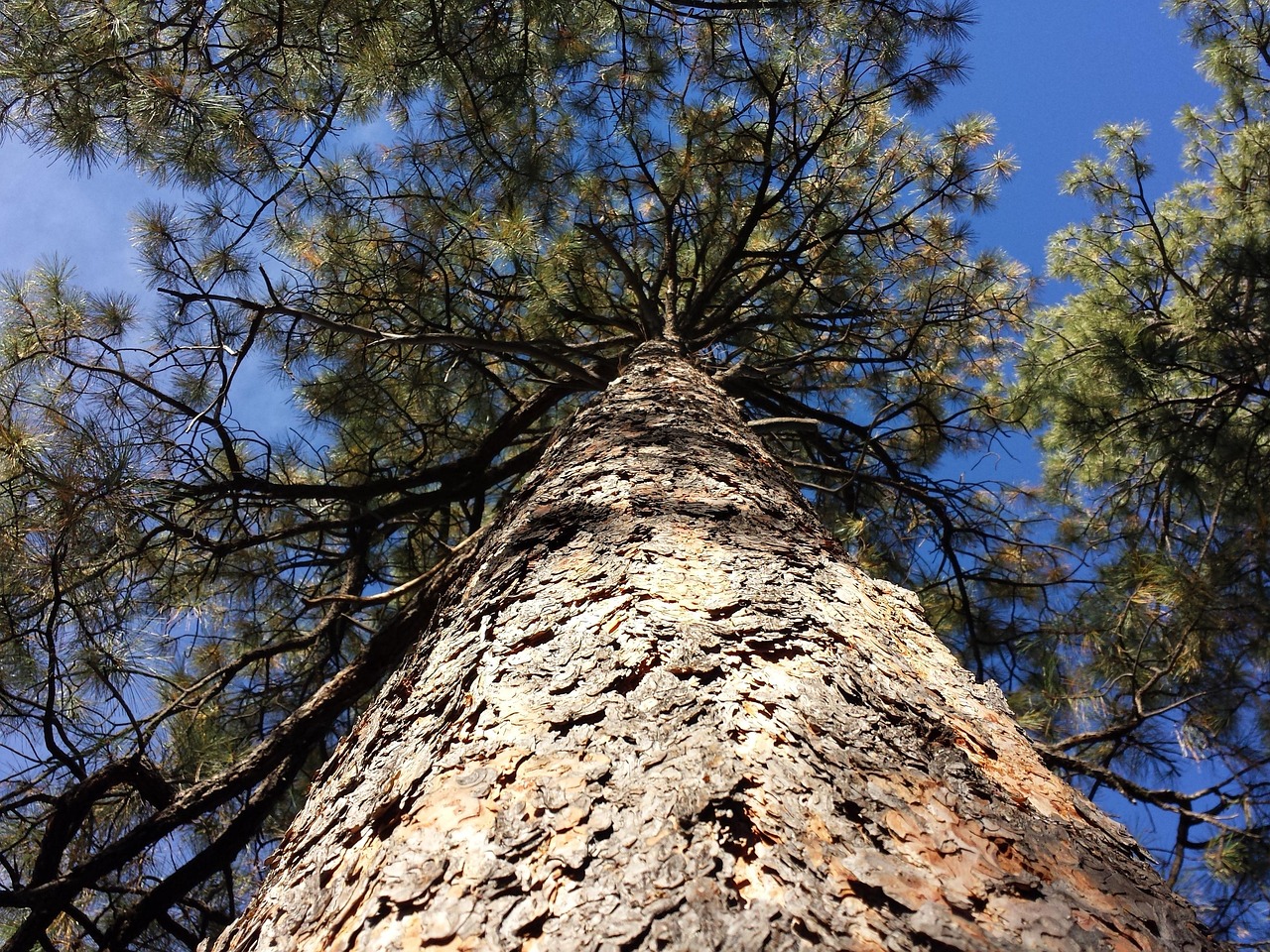
Standing tall in the dry, open forests of British Columbia’s interior, the Ponderosa Pine (Pinus ponderosa) is one of the most distinctive and resilient pine species in the province. It thrives in hot, dry climates, making it one of the few trees capable of surviving in BC’s semi-arid landscapes.
With its thick, orange-brown bark, long needles, and massive size, Ponderosa Pine is a true giant of the interior forests, providing habitat, preventing erosion, and supporting the forestry industry.
How to Identify Ponderosa Pine
- Needles: Long and flexible, growing in bundles of three (unlike the two-needle Lodgepole Pine).
- Bark: Thick, deeply grooved, and orange-brown, with large puzzle-like plates.
- Size: One of BC’s tallest pines, growing up to 60 meters (200 feet) high.
One of the best ways to recognize a Ponderosa Pine is by smelling its bark—on warm days, it gives off a sweet vanilla or butterscotch scent!
Ponderosa Pine and Fire Resistance
Unlike many other pines, Ponderosa Pine is highly resistant to fire. Its thick, fire-resistant bark and deep root system allow it to survive and thrive in fire-prone regions. In fact, low-intensity fires help Ponderosa Pine forests stay healthy by clearing out smaller trees and reducing competition.
Economic Importance of Ponderosa Pine
Ponderosa Pine is highly valued for:
- Lumber and construction, due to its strong, lightweight wood.
- Furniture-making, as its straight grain is ideal for cabinetry and flooring.
- Pulp production, though it is less common than Lodgepole Pine in paper manufacturing.
Wildlife and Ponderosa Pine Forests
These open, dry forests provide habitat for:
- Squirrels and woodpeckers, which rely on its seeds and bark.
- Elk and deer, which use its shade for shelter in hot summer months.
- Bats and cavity-nesting birds, which live in old, hollowed-out Ponderosa Pine trunks.
Fun Facts About Ponderosa Pine
- The bark of older trees smells like vanilla or butterscotch when warmed by the sun.
- Ponderosa Pine is one of the largest pine species in North America.
- The largest Ponderosa Pine in BC is over 55 meters (180 feet) tall and 2 meters (6.5 feet) in diameter.
- Indigenous peoples used its resin for medicinal purposes and waterproofing canoes.
- The tree is highly drought-tolerant, making it well-adapted to BC’s dry regions.
Conclusion
The Ponderosa Pine is a true survivor, thriving in BC’s dry interior forests where few other trees can grow. Whether admired for its majestic height, economic value, or fire resistance, this iconic pine remains a key species in British Columbia’s rugged landscapes.