

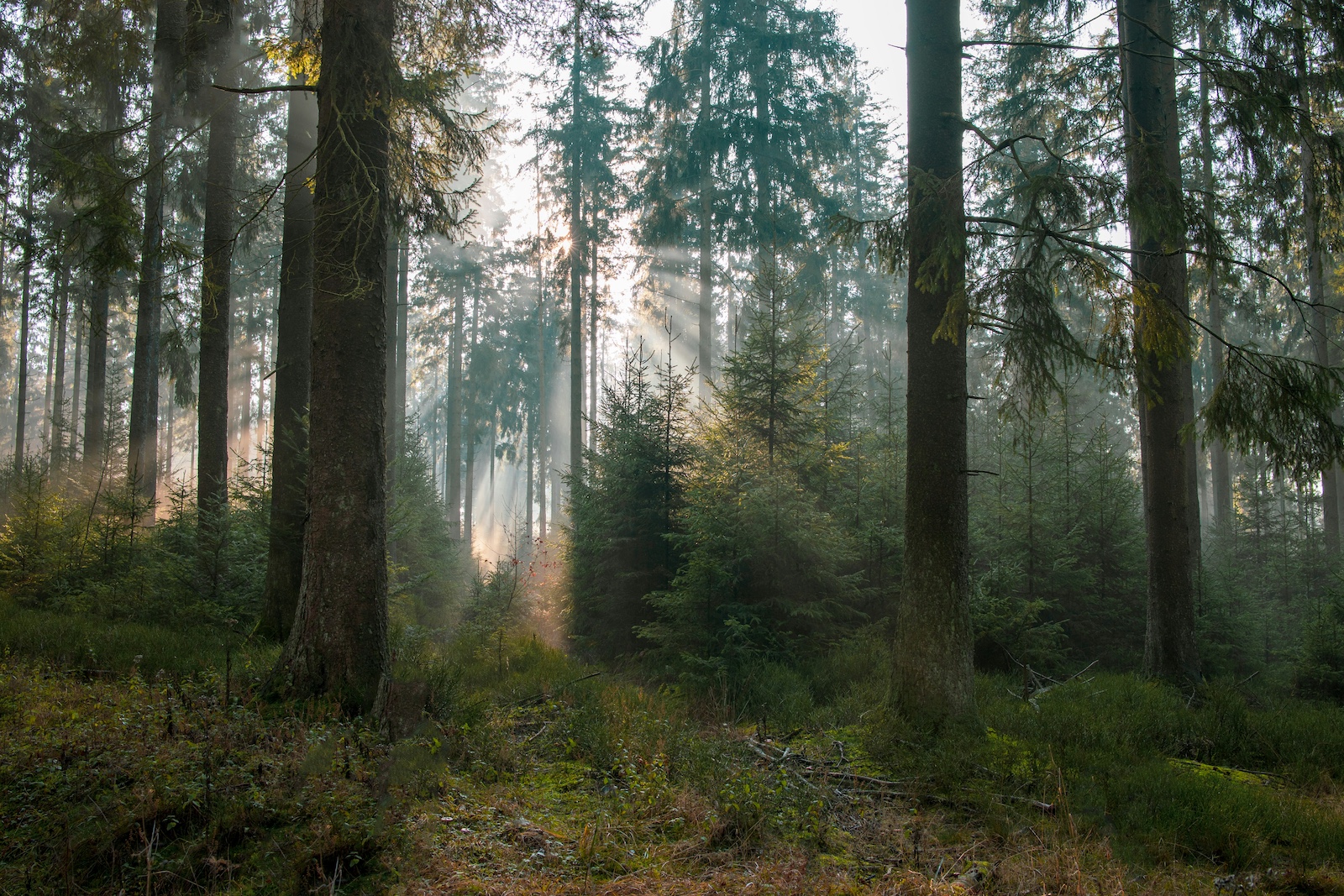
Among the towering conifers of British Columbia, the Grand Fir (Abies grandis) stands out for its impressive height, lush green needles, and strong citrus-like scent. Found in coastal rainforests and moist inland valleys, this tree is one of BC’s most beautiful and valuable fir species.
The Grand Fir grows fast and reaches enormous sizes, playing an essential role in BC’s forestry industry, ecosystem health, and Indigenous traditions.
How to Identify Grand Fir
- Needles: Flat, soft, dark green on top, with a distinctive citrus or tangerine scent when crushed.
- Bark: Grayish-brown and smooth when young, becoming furrowed with age.
- Size: One of BC’s tallest firs, growing over 75 meters (250 feet) tall.
Unlike many other firs, Grand Fir’s needles grow in a distinct, two-ranked pattern, lying flat on either side of the branch.
Why Grand Fir is Important
Grand Fir is a key species in BC’s forests, providing:
- High-quality timber for construction and paper production.
- Shade and moisture regulation in dense, wet forest ecosystems.
- Habitat for birds, mammals, and insects in coastal and interior forests.
Economic Value of Grand Fir
This tree is a major contributor to BC’s forestry industry, used for:
- Lumber and plywood, due to its straight grain and durability.
- Pulp and paper, as its softwood fibers are ideal for processing.
- Christmas trees, thanks to its full, symmetrical shape and fragrant needles.
Wildlife in Grand Fir Forests
- Elk, deer, and bears seek shelter under its dense canopy.
- Owls and woodpeckers nest in its tall branches.
- Squirrels and chipmunks rely on its seeds for food.
Fun Facts About Grand Fir
- One of the tallest fir species in the world, reaching over 75 meters (250 feet) high.
- Its bark was used by Indigenous peoples for medicinal purposes.
- Its needles have a unique citrus scent when crushed.
- It thrives in wet climates but can also grow in drier interior valleys.
Conclusion
The Grand Fir is a majestic and valuable tree, thriving in BC’s coastal and interior forests. Whether providing timber, sheltering wildlife, or filling the air with its fresh citrus fragrance, this giant remains a defining species of British Columbia’s landscapes.