

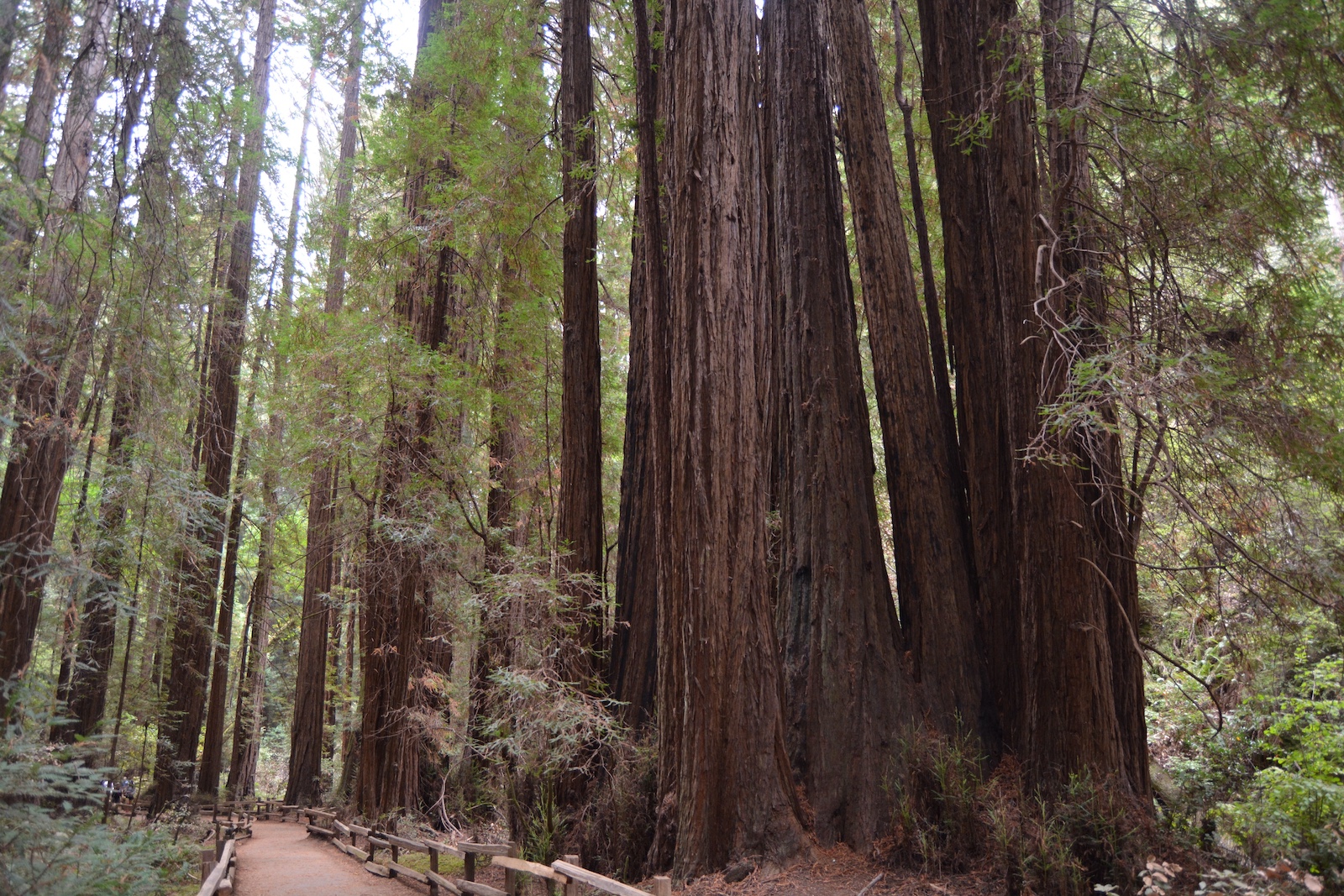
The Western Red Cedar (Thuja plicata) is one of British Columbia’s most iconic trees, known for its majestic size, durability, and deep cultural significance. Found in coastal rainforests and moist interior valleys, this massive conifer plays a vital role in Indigenous traditions, forestry, and BC’s ecosystems.
How to Identify Western Red Cedar
- Needles: Soft, flat, scale-like, and arranged in fan-shaped sprays.
- Bark: Reddish-brown, fibrous, and easily peeled in long strips.
- Size: Can grow over 70 meters (230 feet) tall, making it one of the tallest trees in Canada.
Where Western Red Cedar Thrives
- Coastal rainforests, thriving in wet, shaded environments.
- Moist interior valleys, particularly in BC’s Kootenay and Cariboo regions.
Why Western Red Cedar is Important
- Prevents erosion, stabilizing rainforest soils.
- Provides essential wildlife habitat, sheltering birds, bears, and deer.
- Is BC’s most culturally significant tree, used by Indigenous peoples for centuries.
Economic and Cultural Uses
- Widely used for timber, due to its natural resistance to rot and insects.
- Essential for Indigenous cultures, used for canoes, totem poles, and longhouses.
- Popular in construction, for shingles, siding, and decking.
Wildlife and Western Red Cedar Forests
- Black bears and deer use its forests for shelter.
- Owls, woodpeckers, and small mammals nest in its hollow trunks.
- Salmon benefit from its roots, which stabilize riverbanks and keep water cool.
Fun Facts About Western Red Cedar
- Known as the “Tree of Life” by many Indigenous groups.
- Some Western Red Cedars in BC are over 1,000 years old.
- Its natural oils make it highly resistant to decay.
- One of the most durable softwoods in the world.