

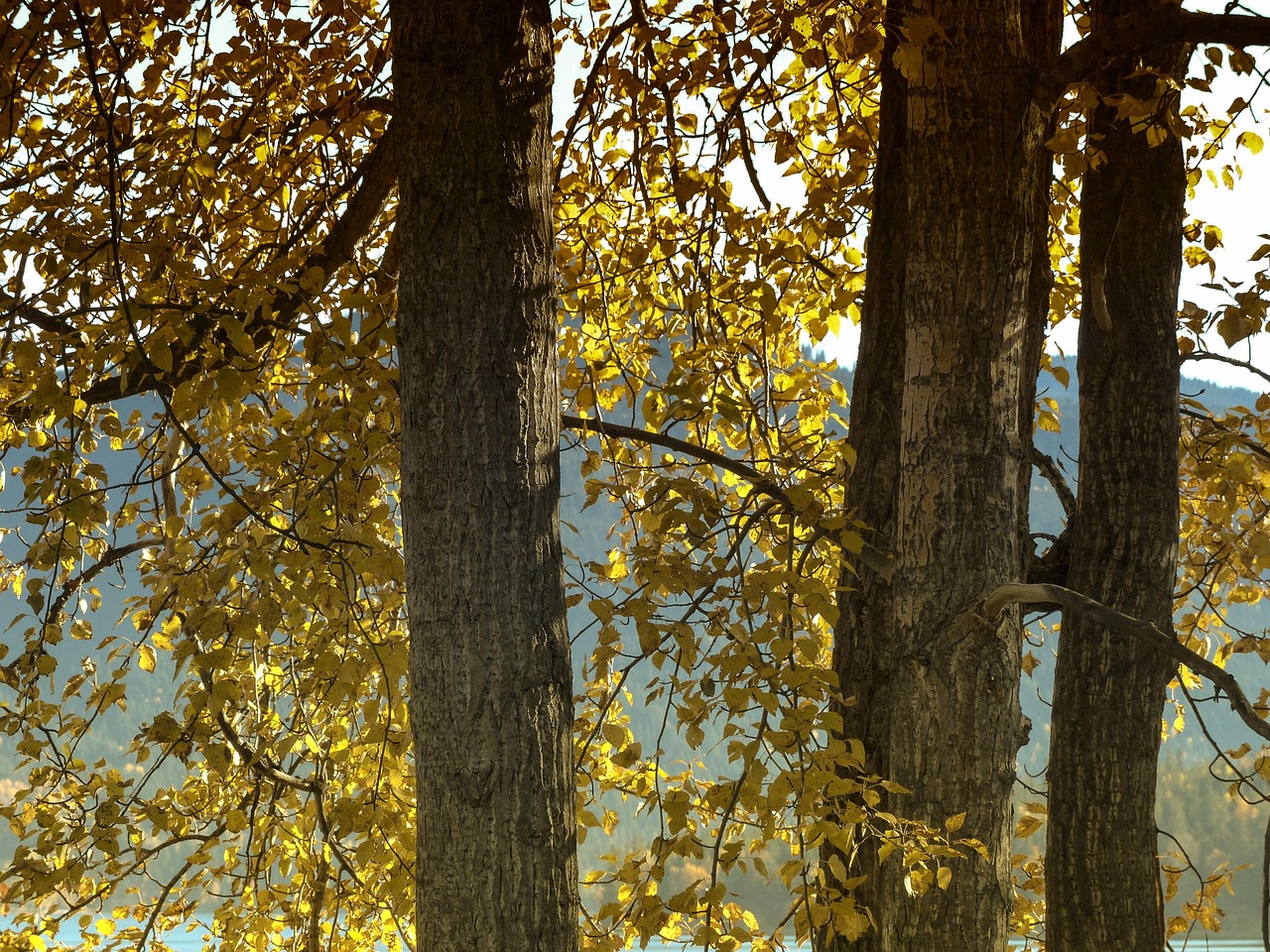
Standing tall along British Columbia’s rivers, wetlands, and floodplains, the Black Cottonwood (Populus trichocarpa) is the largest and fastest-growing deciduous tree in the province. Unlike BC’s coniferous forests, this broadleaf tree thrives in moist environments, growing rapidly and playing a key role in stabilizing riverbanks, filtering water, and providing critical habitat for wildlife.
How to Identify Black Cottonwood
- Leaves: Shiny, dark green on top, pale underneath, with a heart-shaped or triangular form.
- Bark: Smooth and gray in young trees, becoming deeply furrowed and dark brown with age.
- Size: Can reach up to 50 meters (165 feet) tall, making it one of the largest deciduous trees in North America.
Where Black Cottonwood Grows
- Along riverbanks and floodplains, where its roots prevent erosion.
- In wetlands and marshes, where it helps filter water.
- In disturbed areas, quickly regenerating after floods or landslides.
Why Black Cottonwood is Important
- Stabilizes riverbanks, preventing soil erosion.
- Improves air and water quality, filtering pollutants.
- Provides habitat for birds, mammals, and fish.
Economic Uses of Black Cottonwood
- Pulp and paper production, as its wood is lightweight and fast-growing.
- Timber and plywood, used for boxes, crates, and furniture.
- Medicinal extracts, as its bark contains salicin, a compound similar to aspirin.
Wildlife and Black Cottonwood Forests
- Beavers, moose, and deer feed on its bark and twigs.
- Bald eagles and osprey nest in its high branches.
- Fish like salmon benefit from its roots, which provide shade and cool water temperatures.
Fun Facts About Black Cottonwood
- It is the fastest-growing tree in BC, sometimes growing over a meter per year.
- Its fluffy white seeds look like cotton, giving the tree its name.
- It releases a sticky, fragrant resin, which Indigenous peoples used as an antiseptic.
- Some Black Cottonwood trees in BC are over 200 years old.