

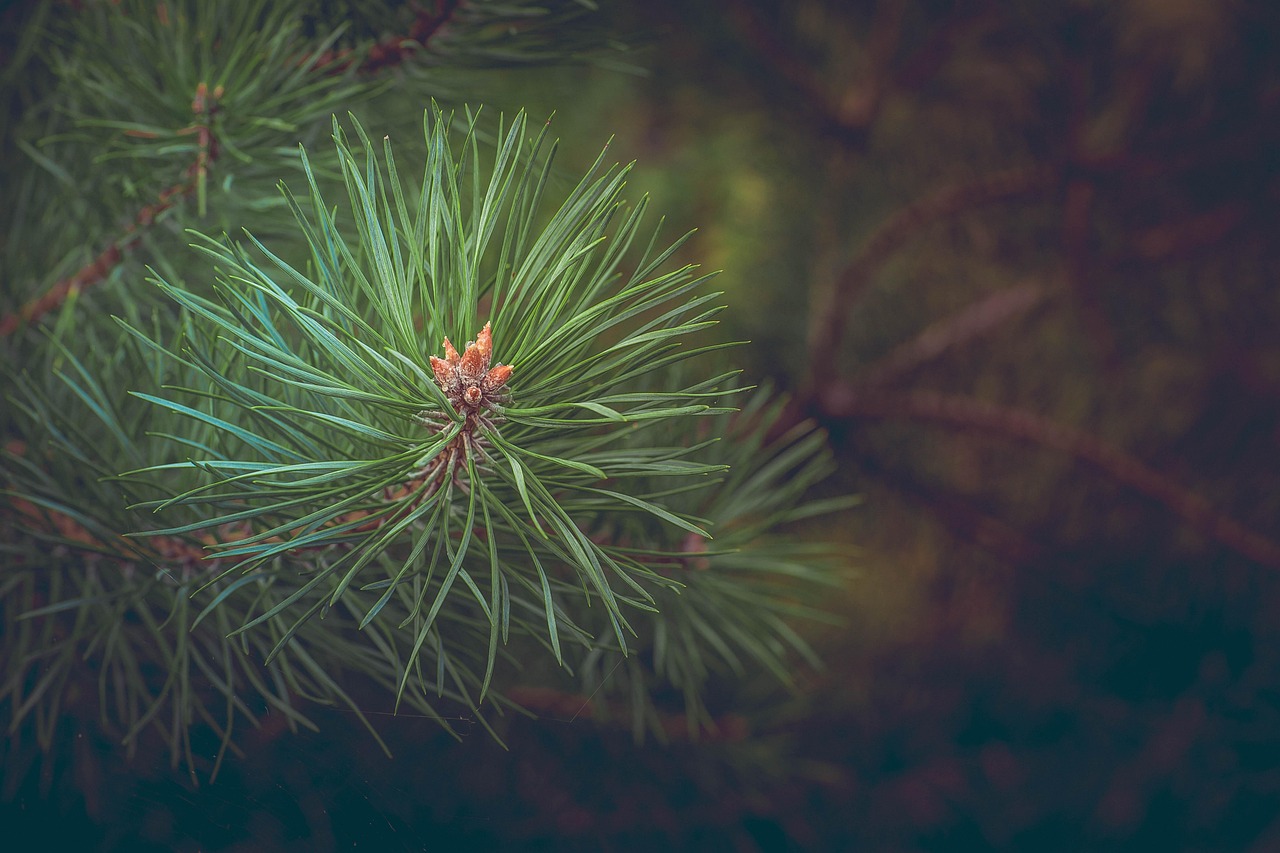
The Western White Pine (Pinus monticola) is one of British Columbia’s most valuable and adaptable pine species. Found in moist coastal forests and mountainous interior regions, this tall, straight-growing conifer is prized for its strong, lightweight wood and its role in supporting wildlife and forest ecosystems.
How to Identify Western White Pine
- Needles: Soft, flexible, and grow in bundles of five, making it distinct from Lodgepole and Ponderosa Pines.
- Bark: Smooth and gray when young, developing deep ridges with age.
- Size: Can grow over 60 meters (200 feet) tall, making it one of BC’s largest pine species.
Western White Pine is easy to identify by its long, graceful needles and tall, straight trunk.
Where Western White Pine Grows
- Coastal forests, where it thrives in mild, wet conditions.
- Mountain slopes, particularly in the southern interior of BC.
- Mixed conifer forests, growing alongside Douglas Fir, Hemlock, and Spruce.
Why Western White Pine is Important
- A vital timber species, producing high-quality wood for construction and furniture.
- Provides habitat for birds, mammals, and insects in BC’s forests.
- Contributes to biodiversity, growing in a variety of ecosystems.
Economic Value of Western White Pine
The tree is widely used for:
- Lumber and plywood, as its wood is light, strong, and easy to work with.
- High-quality furniture and paneling.
- Door frames, moldings, and cabinets, thanks to its smooth grain.
Wildlife and Western White Pine Forests
- Squirrels and birds rely on its nutritious seeds.
- Bears and deer find shelter under its tall canopy.
- Woodpeckers and owls nest in older trees.
Fun Facts About Western White Pine
- It is one of the tallest pines in BC, reaching heights of over 60 meters (200 feet).
- Its wood is naturally resistant to warping and shrinking, making it ideal for furniture.
- Indigenous peoples used its inner bark for medicinal purposes.
- It is susceptible to White Pine Blister Rust, a disease that has impacted many of its populations.